I look forward to the holidays because this gives me the chance to take my students out of the classroom and let them have a go at real-world context. This March holidays, my group of Sec 1 and 2 students visited Singapore’s last kampong, Kampong Lorong Buangkok.
The plan was hatched since the start of Term 1 and arrangements were made in February. Not everyone could make it but for those who could, they passed on their learnings to their classmates in our post-trip class discussions.
There were several objectives to this outing which I had carved out early on. Yes, I had great plans (bearing in mind Social Studies, History, Geography, Situational Writing for Sec 1s and Discursive Writing for Sec 2s)
Firstly, to get a big picture of what kampong life is like. And I think Miss Khong lost the plot after that! No thanks to these teenage brains! Sigh… One student asked me if the residents were just like ordinary Singaporeans, like you and me? Did they wear normal clothes? Kid, are you expecting to meet an alien? Another asked, “Do they ever come out of the kampong? Are they allowed to?” One wanted to know how they got their money? One boy was quite obsessed with their water supply. Do they get water from the river? Obviously, Miss Khong had to manage expectations. Hence, a pre-trip lesson was much needed. Aside from reading articles of kampong life and watching a YouTube video of someone sharing his move from kampong to a HDB flat, there was also a pre-trip worksheet with simple questions they could discuss.
What do I expect to see in the kampong? What do I hope to learn? How do I feel about visiting the kampong?
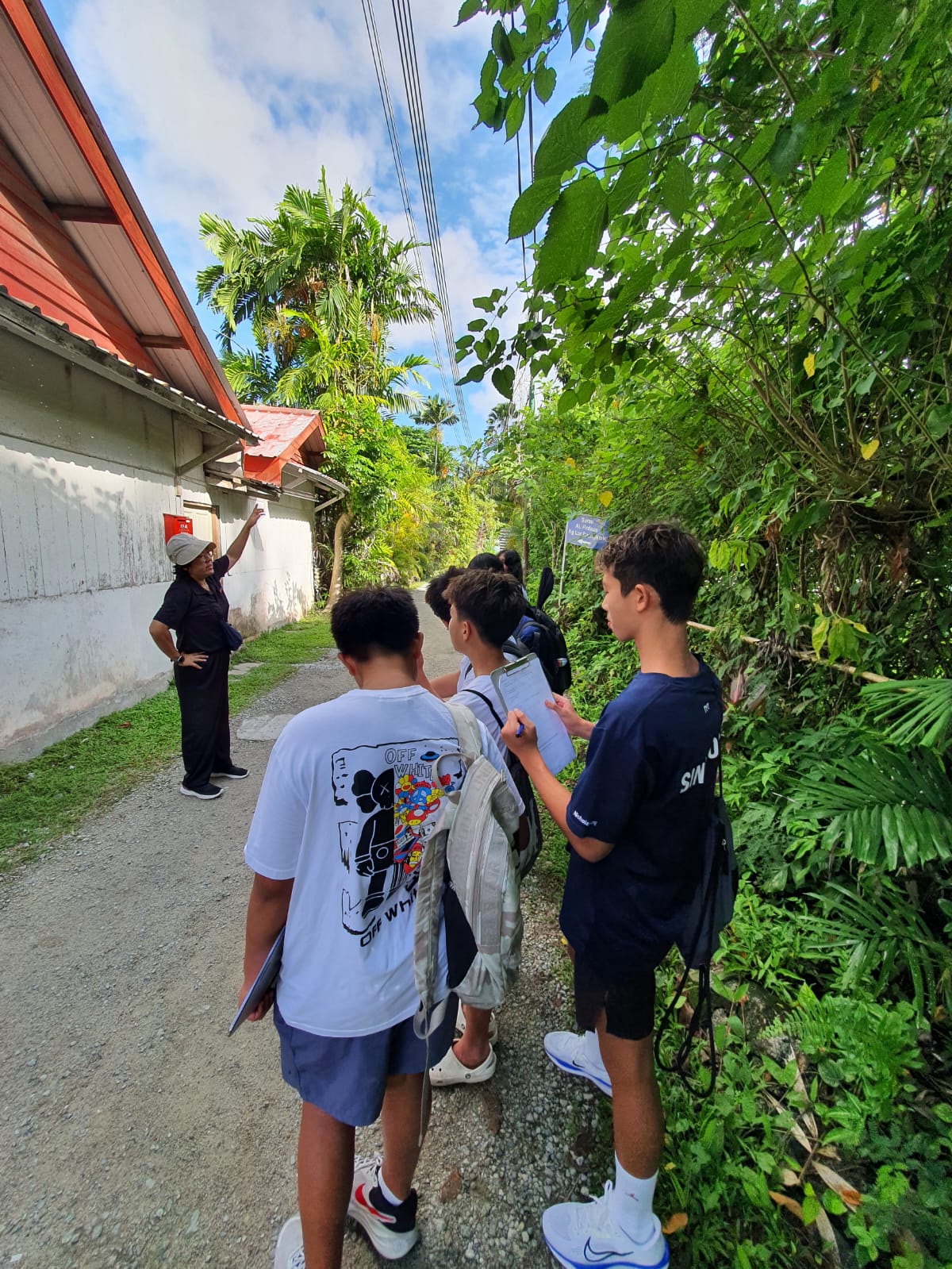
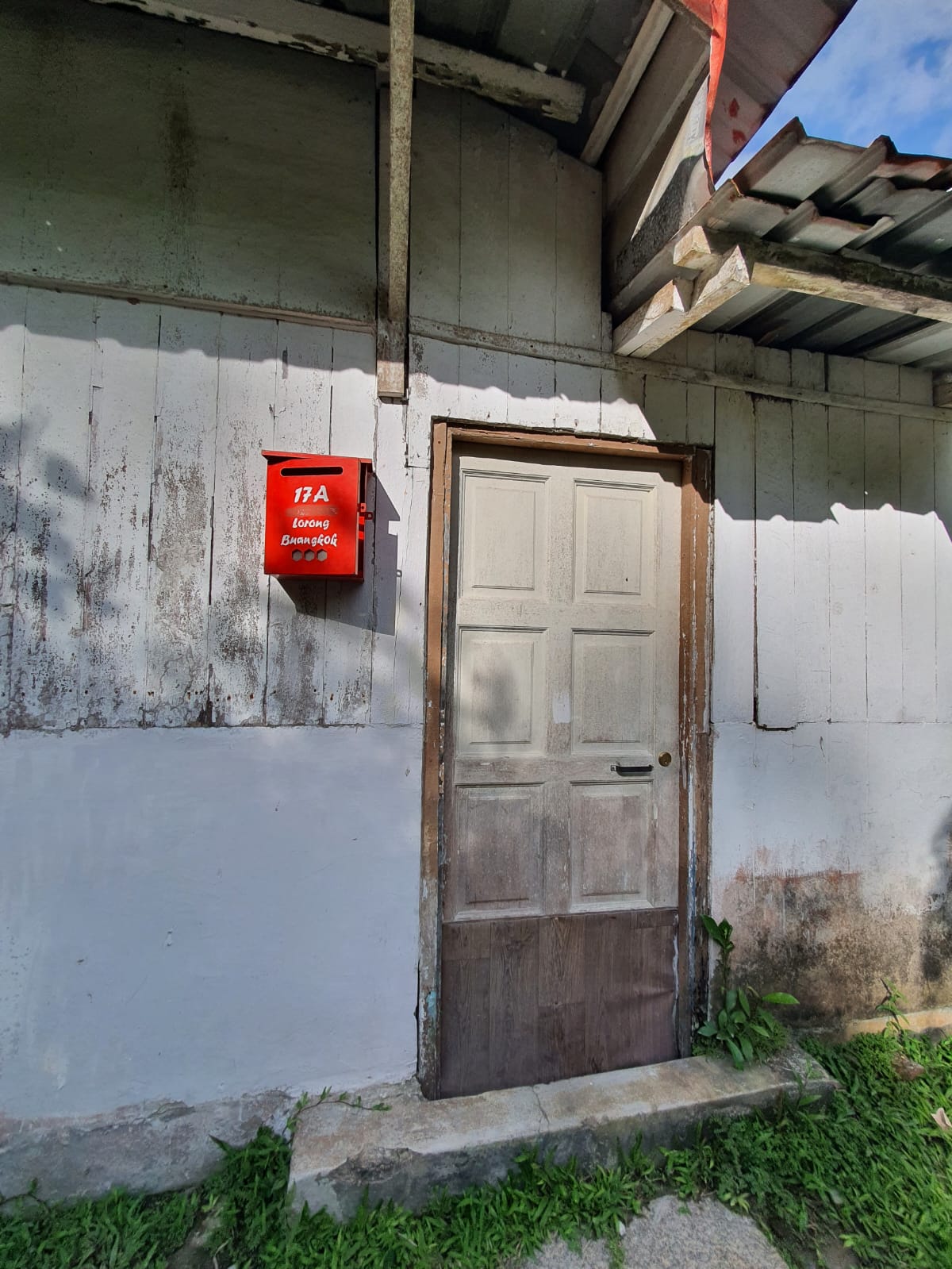

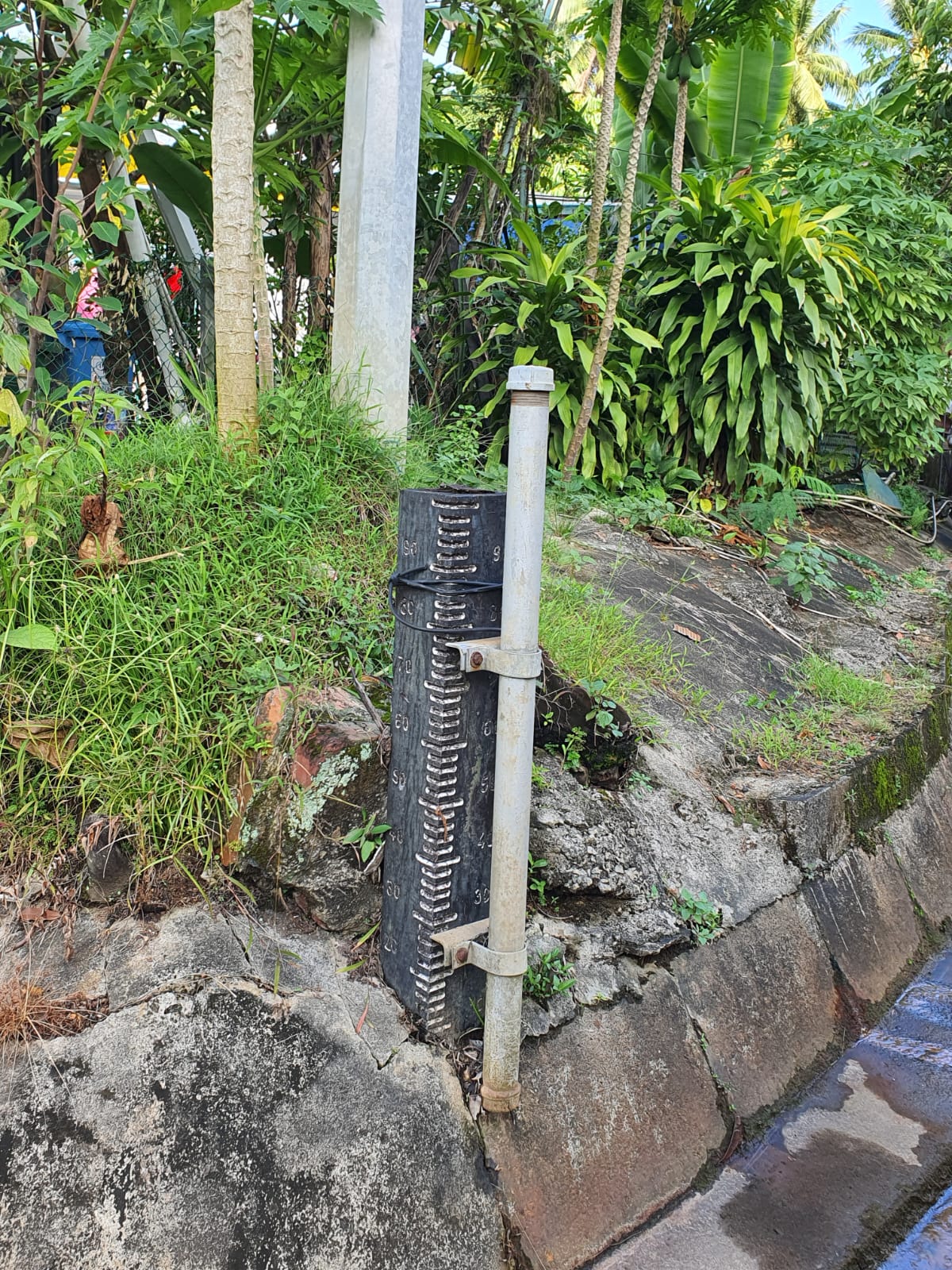
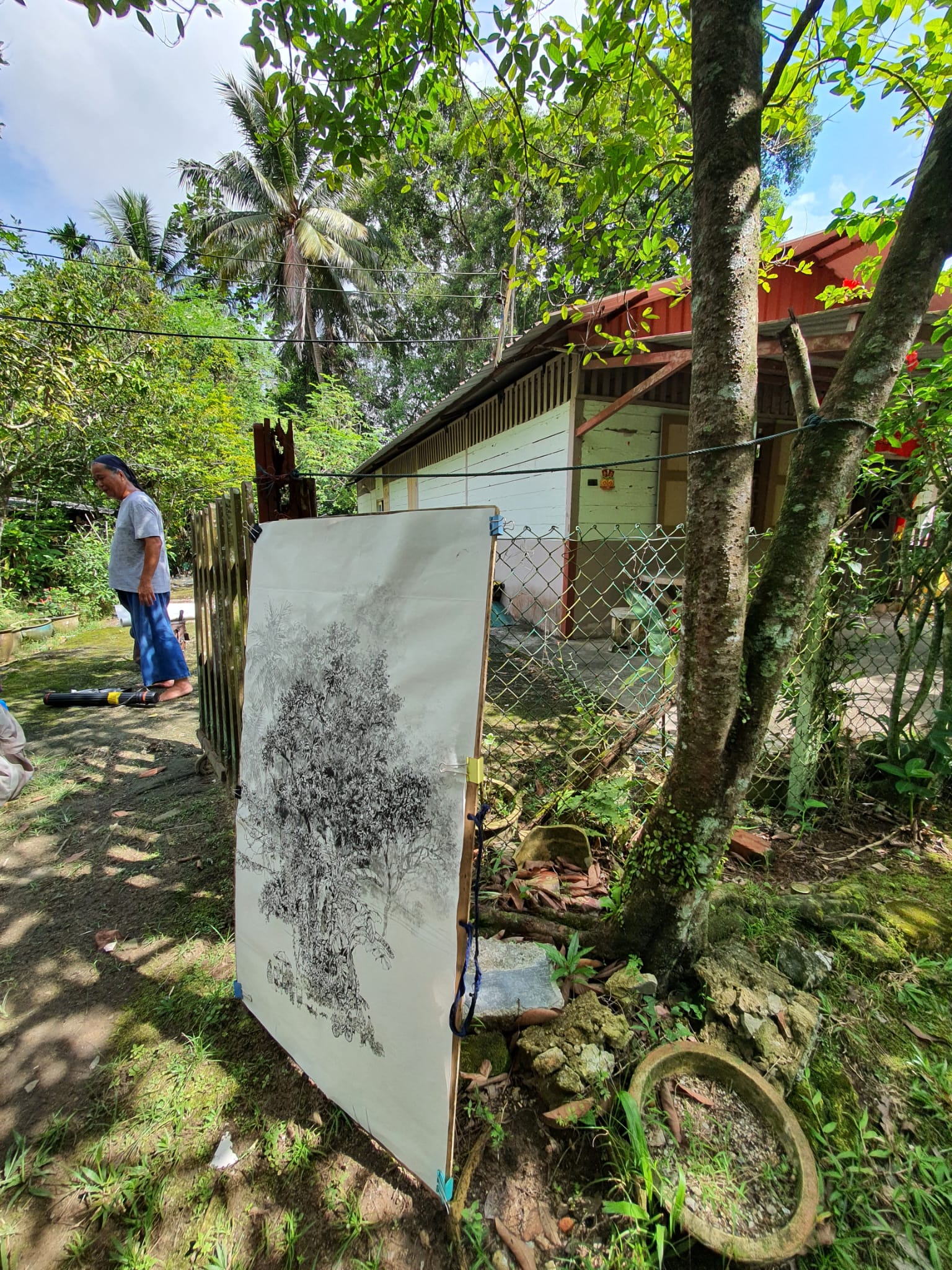
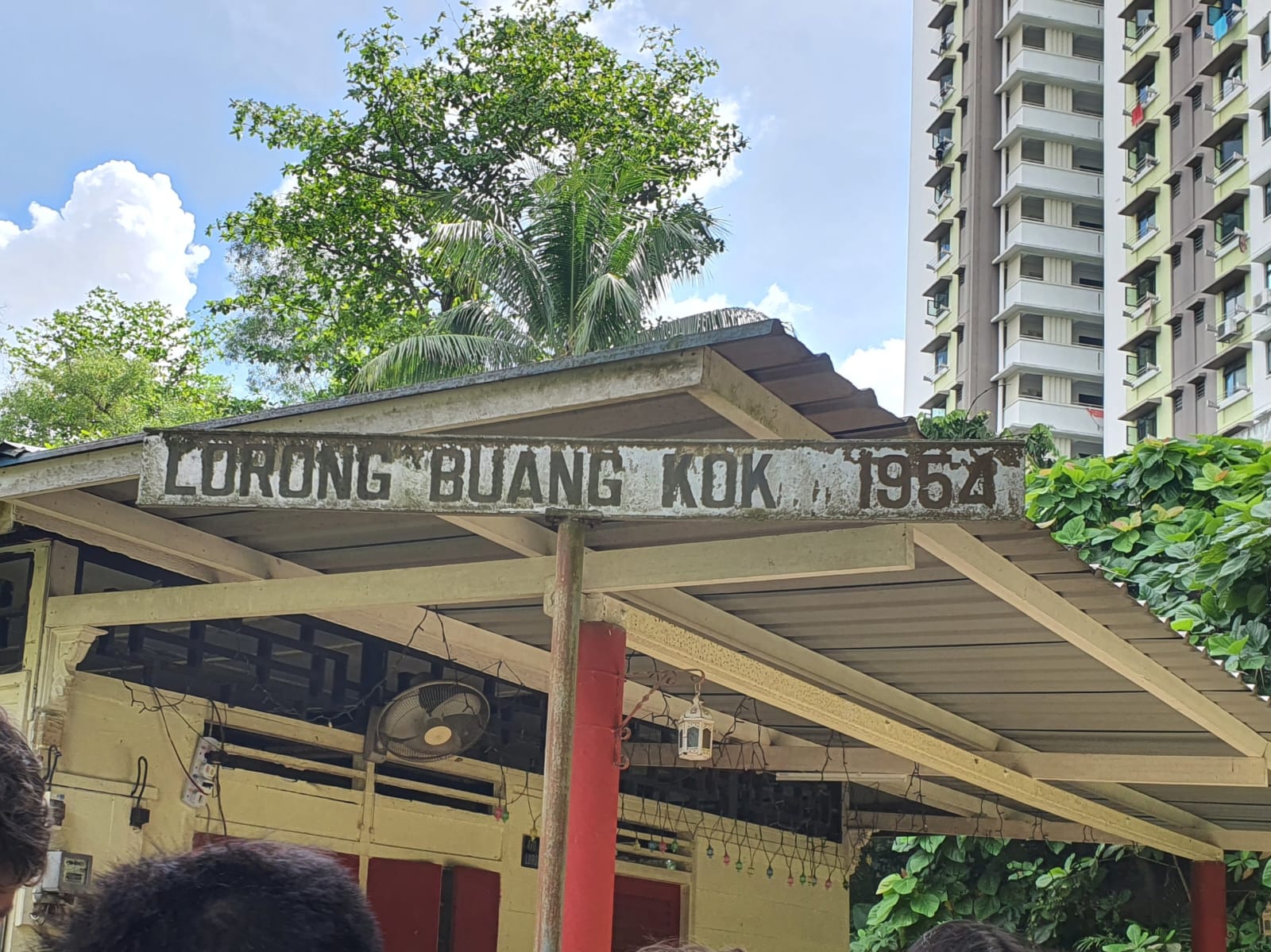
There was a lot of information for the students to take in and we are still downloading and processing all of it!
For one, this kampong holds cultural and historical significance being the last kampong standing on the mainland. After all, kampongs shaped early society, fostering community spirit and solidarity. Hence, this place represents a unique piece of Singapore’s history. What makes it so special is that it is a living museum! The 25 houses dotted around the land are homes to the residents, descendants of the original settlers who were workers at then Woodbridge Hospital, nearby factories or rubber tappers. Part of the land in Buangkok was owned by Singapore United Rubber Plantation Ltd, a subsidiary of a London-based company established in 1919!
While we were there, we picked up on traditional kampong values such as Gotong Royong or community spirit and simple living. We could see that conservation not only promotes cultural tourism but also educational opportunities. My students discovered the breadfruit there! They also learnt that a plant species growing on the side of the gravel-paved road was beneficial for coughs. They realised that our housing estates are well-maintained and manicured thanks to the Town Council workers while the elderly residents of the kampong maintain the place, climbing onto the rooftops to sweep them clean of falling leaves, pruning trees and harvesting fruits. Also, in the kampong there is no litter because everyone feels a personal responsibility for the land. One student pointed out that every house was unique! Each house had a different colour, a different design and a different feel to it. She wanted to know why it was that way? Upon further discussion, the students concluded that the houses were built by the people themselves. No HDB or developer was called in, back in 1956.
However, time brings change and with it, modernisation and redevelopment. Could the residents’ lives be improved with better facilities and amenities? In a country with limited land resources, there is constant pressure to maximise land use. While redevelopment offers economic and infrastructural benefits, there is cultural and historical significance in preserving the kampong. A balanced approach that includes integrating modern elements yet maintaining the kampong’s traditional aspects could ensure that Singapore honours its past while progressing towards the future.
Having said that, this conundrum lies on the shoulders of the kampong’s single landowner and chief, Mdm Sng, a sprightly elderly in her 70s.
 Miss Khong's English Class Blog